×

The Standard e-Paper
Home To Bold Columnists





Audio By Vocalize
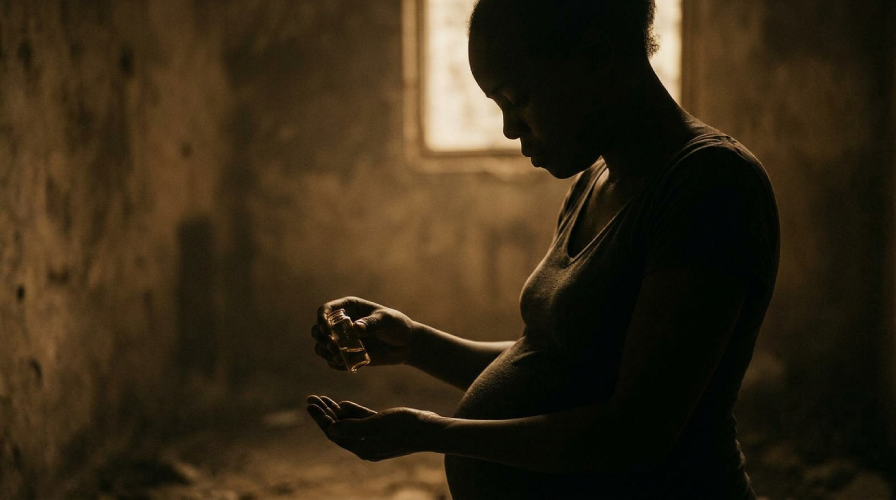
For years, Rehema Abdi believed she was falling in love.
She was young, vulnerable and looking for safety. The man she met offered shelter, affection and what seemed like protection from life on the streets of Mombasa.
Then he introduced her to heroin.
“I thought he was helping me,” she says quietly. “I kept telling myself I would stop, but addiction took over. What looked like free heroin turned out to be a free passport to death.”
Today, Rehema is one of a growing number of women on Kenya’s Coast speaking publicly about a crisis that has long remained hidden: women trapped in heroin addiction, often introduced to drugs by intimate partners before becoming caught in a cycle of dependency, exploitation and stigma.
Behind the postcard image of white beaches, palm trees and tourist resorts lies another Mombasa, one where addiction quietly shapes lives in informal settlements, backstreets and drug hotspots.
Globally, an estimated 11 million people inject drugs, according to the United Nations Office on Drugs and Crime (UNODC). About two in every 10 are women. In Kenya, the Ministry of Health estimates indicate that there are about 2,405 women who inject drugs, representing roughly 15 per cent of all people who inject drugs.
Health experts warn that the actual number may be much higher because many women remain hidden due to fear of stigma and discrimination.
Taib Abdulrahman, Director of Reachout Centre Trust, says the challenge is not only addiction itself but also the silence surrounding women who use drugs.
Condemned
“Many people are quicker to condemn women than to help them,” he says. “Society often sees them as immoral instead of recognising that they need healthcare and support.”
For women, addiction often begins differently from how it does for men.
Data show that seven out of 10 women who inject drugs are introduced to the practice by male sexual partners. Many begin injecting between the ages of 11 and 17.
According to Esther Wangui Mucara, Executive Director of Nueva Esperanza Treatment and Wellness Centre and Empower Her Recovery Centre, women frequently become dependent on heroin faster than men.
“Women frequently progress from first heroin use to dependence more rapidly than men, a phenomenon known as the telescoping effect,” she says.
While men are more likely to start using heroin through peer pressure and social networks, women often use drugs to cope with emotional distress.
“Many women use substances to manage trauma, depression, anxiety and interpersonal difficulties,” explains Mucara.
She says many women entering treatment report histories of childhood abuse, sexual violence, intimate partner violence, neglect and unresolved grief.
“Heroin often serves as a form of self-medication, helping individuals numb emotional pain, intrusive memories, anxiety and symptoms associated with post-traumatic stress disorder.”
For many women, the cost of addiction extends beyond the physical effects of the drug.
Programme coordinator Faiza Hamid says female drug users often face harsher realities when trying to finance their addiction.
“Unlike many men who can find casual work to fund their next fix, women often face much harder choices,” she says.
Rehema remembers spending entire days searching for money to buy heroin.
“One sachet was never enough,” she recalls. “I needed three to five sachets a day. That meant I had to sleep with a man for every sachet just to get my fix.”
Her health deteriorated rapidly.
“I was sick all the time. My skin changed. I looked half-dead and half-alive.”
One of the greatest dangers for women who inject drugs is the sharing of needles.
There were periods, Rehema says, when clean syringes were simply unavailable.
“We shared because we had no choice. That is how I became HIV-positive. Later, I was also diagnosed with hepatitis.”
Her experience mirrors a worrying global trend. Women who inject drugs are nearly twice as likely to be living with HIV as their male counterparts.
Public health experts say stigma often pushes users away from health facilities, increasing the likelihood of unsafe injecting practices and delayed treatment.
Risks during pregnancy
For some women, addiction collides with another role, motherhood.
Warda Bakari says she gave birth prematurely while struggling with drug use and was subjected to relentless criticism.
“People said terrible things about me,” she says. “I felt like everyone had already decided I was a bad mother.”
Medical experts warn that heroin use during pregnancy can have devastating consequences for both mother and child.
“Heroin use in pregnancy presents serious risks not only to the mother but also to the foetus, the newborn and the family as a whole,” says Dr Simon Kigondu, an obstetrician-gynaecologist.
Because heroin is an opioid, it readily crosses the placenta and exposes the developing baby to the drug.
“Women using heroin during pregnancy are at increased risk of opioid dependence, overdose, weight loss, anaemia, depression and anxiety,” he says.
According to Dr Kigondu, heroin use during pregnancy has been associated with miscarriage, preterm labour, placental insufficiency, foetal growth restriction and stillbirth.
“The foetus may experience reduced oxygen and nutrient delivery, leading to low birth weight and, in some cases, intrauterine foetal death,” he explains.
One of the most recognised complications occurs after birth.
“Neonatal Abstinence Syndrome is the most common complication seen in babies born to mothers who use heroin,” says Dr Kigondu.
The condition occurs when a baby’s exposure to opioids suddenly stops after delivery, triggering withdrawal symptoms that can include excessive crying, irritability, tremors, fever, diarrhoea, vomiting and, in severe cases, seizures.
“These symptoms usually begin within 24 to 72 hours after birth and may require specialised neonatal treatment,” he says.
The effects may extend far beyond infancy.
“Children exposed to heroin in the womb may face developmental delays, learning difficulties, behavioural challenges and problems with emotional regulation later in life.”
Despite the grim realities, experts insist recovery is possible.
“Treating addiction without addressing trauma significantly increases the risk of relapse,” says Mucara. “Recovery requires trauma-informed care that integrates mental health support, substance use treatment and family interventions.”
The gold standard treatment for opioid dependence includes methadone, buprenorphine and naltrexone, combined with counselling, family therapy, peer support and vocational rehabilitation.
For pregnant women, methadone treatment remains one of the safest and most effective interventions.
“Women receiving methadone treatment are generally more stable, resulting in better outcomes for both mother and baby,” says Dr Kigondu.
Today, Rehema is living proof that recovery is possible. After years of addiction, she now works with other women seeking treatment and rebuilding their lives.
“I realised I wanted to live before my life ended,” she says.
Her message to women still trapped in addiction is simple. “We do not have to die because of addiction. We can recover. We can start again.”
For Mucara, changing the narrative around heroin addiction among women begins with compassion.
“Heroin addiction is not a moral failing but a complex, chronic health condition influenced by biological, psychological, social and environmental factors,” she says.
“Recovery is possible when treatment is evidence-based, trauma-informed, gender-responsive and accessible without stigma. The focus should be on early intervention, compassionate care and long-term recovery support.”
Subscribe to our newsletter and stay updated on the latest developments and special offers!